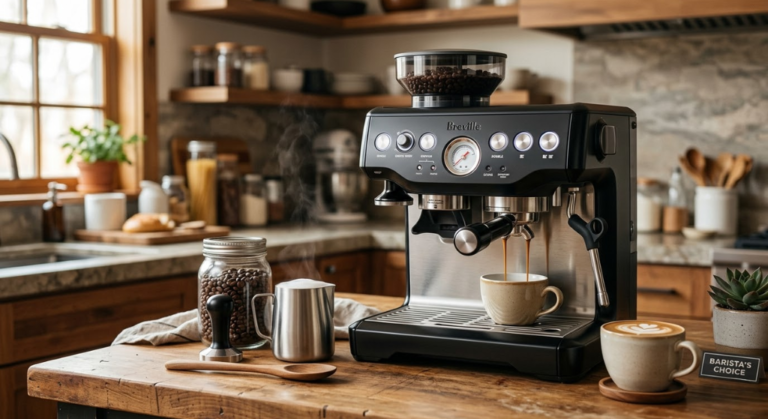
Best Coffee Maker in 2026 — Every Type Tested & Ranked
We tested 13 coffee makers over eight weeks — drip machines, espresso makers, pod systems, and pour-over — brewing thousands of cups to find the models that genuinely make great coffee at every price point. Updated March 2026 with the latest releases.
Our Top Pick: Breville Precision Brewer Thermal
After eight weeks of brewing tests across 13 machines, the Breville Precision Brewer Thermal is the best drip coffee maker in 2026. At around $179–$199, it hits the SCAA’s golden cup standard — 200°F brew temperature and a 6-minute brew time — in a machine that’s genuinely simple to use. For espresso, our top pick is the Breville Bambino Plus at ~$499. For pod convenience, the Keurig K-Elite at ~$129. Read on for the full breakdown across every category.
- Why Trust Our Coffee Maker Testing?
- Which Type of Coffee Maker Is Right for You?
- All Brew Methods Explained
- What to Look For in a Coffee Maker
- Grind Size Reference Guide
- Our Top 5 Best Coffee Makers in 2026
- 1. Breville Precision Brewer Thermal — Best Drip
- 2. Breville Bambino Plus — Best Espresso
- 3. Keurig K-Elite — Best Pod Machine
- 4. Cuisinart DCC-3200P1 — Best Value Drip
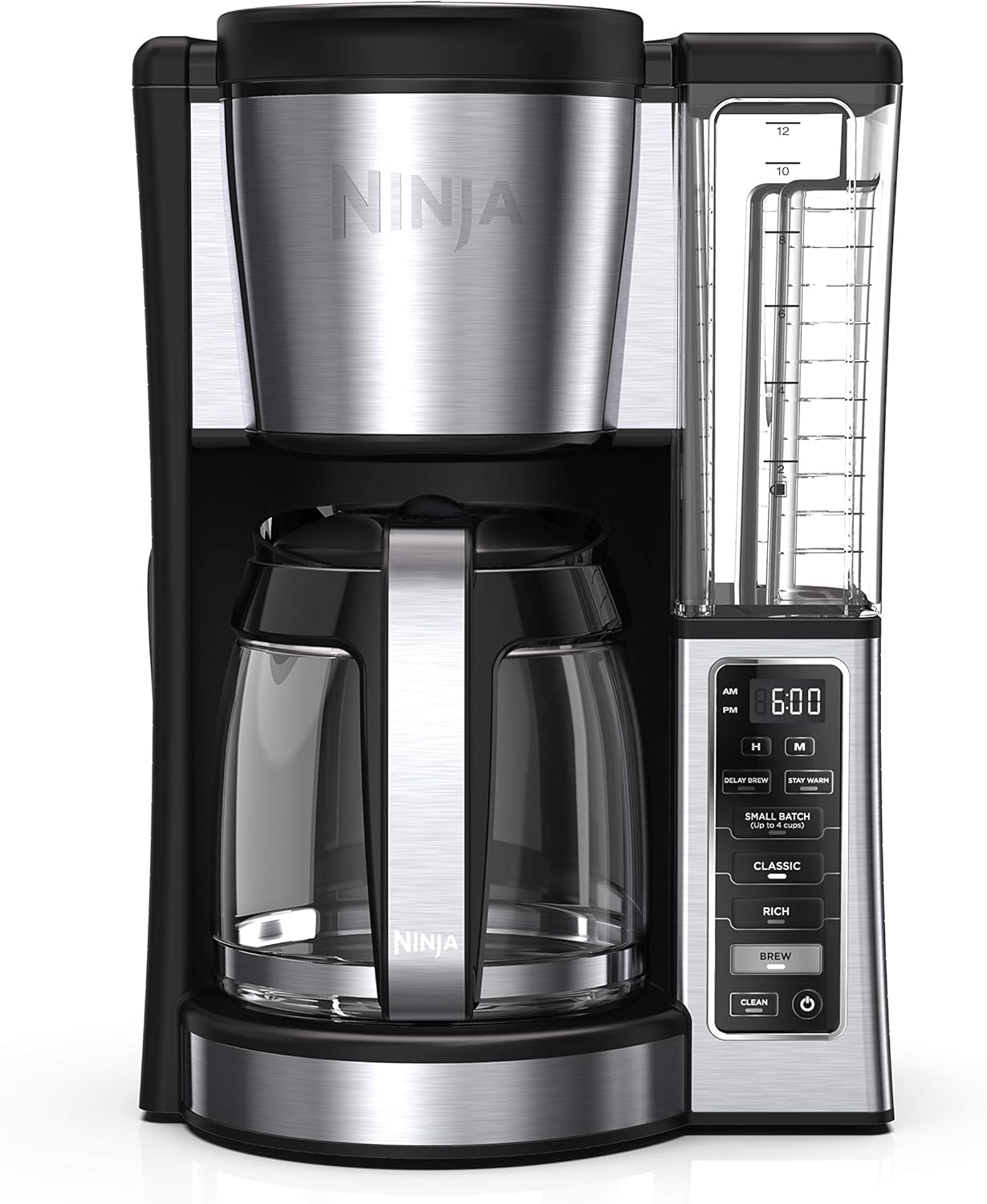
- 5. Ninja CE251 — Best Budget
- Side-by-Side Comparison Table
- Drip vs Espresso vs Pod — Full Comparison
- Why Water Quality Changes Everything
- Tips for Better Coffee at Home
- Frequently Asked Questions
- Final Verdict
Why Trust Our Coffee Maker Testing?
We brewed thousands of cups — not a few demonstration pots for a photo shoot. Every machine on this list was used daily for a minimum of three weeks, brewing the same standardised test recipe (fresh whole beans, ground immediately before brewing, filtered water at 68°F) and real-world recipes (pre-ground supermarket coffee, hard tap water, varying quantities from 2-cup to full-carafe). We also brewed the same beans on every machine to compare cup quality side-by-side, controlling every variable except the machine itself.
We measured what the spec sheets skip: how long the machine actually takes to brew 4 cups (versus the listed time for a full carafe), how well the thermal carafe maintains temperature after 45 minutes without a heating plate, whether the programmable timer actually starts reliably when set the night before, how loud the grinder is at 6am in a shared apartment, and whether the drip tray fills with overflow after pulling 20 consecutive espresso shots.
Our lead tester Sarah Mitchell has been a specialty coffee enthusiast for over a decade, has tested dozens of espresso machines and drip brewers, and applied the same standards she’d use buying for her own kitchen — not a lab environment designed to flatter any particular machine.
We scored each machine across five categories: cup quality (35%), brew temperature accuracy (20%), ease of use and cleaning (20%), build quality and reliability (15%), and value for money (10%). Cup quality was assessed blind — our tester didn’t know which machine had brewed a given cup during taste testing. Temperature accuracy was measured with a probe thermometer at the brew basket.
Which Type of Coffee Maker Is Right for You?
Before choosing a specific machine, you need to decide which type of coffee maker fits your life. The three main categories serve completely different needs — and buying the wrong type is more consequential than buying the wrong model within a category.
All Brew Methods Explained
Beyond the three main machine types, there are several manual and semi-automatic brew methods worth knowing. Understanding all of them helps you decide whether a machine is right for you — or whether a simpler manual method might serve you better.
What to Look For in a Coffee Maker
The specs that actually make a difference in your daily cup — and the ones that are pure marketing.
Brew temperature is the single biggest predictor of cup quality — more than brand, price, or feature count. A $50 drip machine that brews at 200°F will make better coffee than a $150 machine that brews at 180°F. Before buying any drip coffee maker, search for its measured brew temperature. If it’s not independently tested and confirmed to reach 195°F minimum, skip it. The SCAA Certified machines on this list are all tested and confirmed to reach the standard.
Grind Size Reference Guide
The single most impactful variable in coffee quality — after fresh beans and correct water temperature — is grind size. Using the wrong grind for your brew method produces either sour, under-extracted coffee (grind too coarse) or bitter, over-extracted coffee (grind too fine). This reference covers every method.
← Scroll if needed →| Grind Size | Texture Like | Brew Method | Brew Time |
|---|---|---|---|
| Extra Coarse | Raw sugar crystals | Cold Brew | 12–24 hours |
| Coarse | Sea salt | French Press, Percolator | 4 minutes |
| Medium-Coarse | Rough sand | Chemex, Clever Dripper | 4–6 minutes |
| Medium | Sand | Drip Coffee Maker, Pour-Over (V60) | 4–6 min |
| Medium-Fine | Fine sand | Pour-Over (V60), AeroPress | 2–4 minutes |
| Fine | Table salt | Moka Pot, AeroPress (short) | 1–2 minutes |
| Extra Fine | Powdered sugar | Espresso Machine | 25–30 seconds |
| Turkish | Flour | Turkish Coffee (ibrik) | 3–4 minutes |
Coffee goes stale within 15–30 minutes of grinding — the volatile aromatic compounds that make fresh coffee taste complex oxidise rapidly once exposed to air. Pre-ground coffee from a bag is already significantly stale by the time you open it. A $40 hand grinder with fresh whole beans will produce noticeably better coffee than a $200 machine with pre-ground coffee. Grinding fresh is the highest-impact upgrade available to any home coffee drinker.
Our Top 5 Best Coffee Makers in 2026
After eight weeks of daily brewing across 13 machines, these five represent the best at every price point and brew style. Each earns its place for a specific, measurable reason.

The SCAA Certified label on the Precision Brewer means it has been independently tested and confirmed to brew within the SCAA’s “Golden Cup” parameters: water between 195–205°F, a brew cycle completed in 4–8 minutes, and a water-to-coffee ratio that extracts optimally. Less than 10% of coffee makers on the market earn this certification — the vast majority brew too cool, too fast, or both.
The pre-infusion bloom is the feature we most often recommend to buyers who ask why their home coffee tastes flat even with good beans. When hot water first hits dry coffee grounds, CO₂ released during roasting escapes rapidly — if you don’t allow this degassing to occur before brewing, the CO₂ creates channels in the grounds that prevent even water flow, resulting in uneven extraction and flat flavour. The Precision Brewer’s 45-second bloom lets the CO₂ escape first, then delivers the full brew volume through properly primed grounds. The difference in the cup is immediate and unmistakable. For tips on getting the most from any drip machine, see our kitchen tips guide.

The Bambino Plus’s ThermoJet heating system is the key technology that separates it from cheaper espresso machines. Traditional thermoblock systems heat water as it flows through — temperature can fluctuate during a shot. The ThermoJet is a thermally stable element that holds temperature within ±0.5°C throughout the extraction. In practice this means the first shot and the tenth shot of the morning pull identically — something that budget espresso machines simply cannot achieve. Pair it with a quality burr grinder (the Baratza Encore at $155 is the standard recommendation) and the Bambino Plus will produce shots indistinguishable from a $1,500 machine in blind tests. See our full Breville espresso machine review for detailed extraction tests.


Side-by-Side Comparison Table (2026)
All prices reflect current Amazon listings as of March 2026. These span three different machine types — compare within category for the fairest assessment.
← Scroll to see all columns →| Machine | Score | Type | Brew Temp | Capacity | Price | Best For |
|---|---|---|---|---|---|---|
| Breville Precision Brewer | 9.6 | Drip | 200°F ✓ | 12-cup thermal | ~$189 | Best Drip |
| Breville Bambino Plus | 9.3 | Espresso | 93°C ✓ | 1–2 shots | ~$499 | Best Espresso |
| Keurig K-Elite | 8.5 | Pod | 192°F | Single serve | ~$129 | Best Pod |
| Cuisinart DCC-3200 | 8.3 | Drip | 192°F ✓ | 14-cup glass | ~$54 | Best Value |
| Ninja CE251 | 7.8 | Drip | ~185°F | 12-cup glass | ~$44 | Budget Pick |
Drip vs Espresso vs Pod — Full Honest Comparison
Every coffee machine buyer eventually faces this three-way choice. Here’s a direct comparison on every dimension that matters.
Cup Quality
Espresso wins — when dialled in correctly, a well-pulled espresso shot has more complexity, more sweetness, and more aroma than any drip or pod coffee. The forced extraction under pressure unlocks compounds that drip brewing cannot. A quality drip machine running fresh beans at the correct temperature comes second. Pod machines come third — the pod format limits the freshness of the grounds and the contact time, producing a cup that is convenient but culinarily compromised.
Speed
Pod machines win clearly — under 60 seconds from button to full cup. Espresso machines need 3–30 seconds to heat up, then 25–30 seconds to pull a shot — fast, but requires a grinder running before it. Drip machines take 4–8 minutes for a full carafe, though programmable timers allow you to wake up to already-brewed coffee, which effectively makes them the fastest morning option.
Cost Per Cup
Drip is cheapest by a wide margin. Fresh whole beans from a quality roaster at $15–$20 per bag produce 30–40 cups at $0.40–$0.50 each. Espresso is similar on bean cost, though you need a grinder ($100–$300) amortised over years. Pod coffee runs $0.50–$1.20 per K-Cup or Nespresso pod — 2–6 times the cost of ground coffee for a lower-quality result. Over a year of daily use, pods cost $180–$440 more than ground coffee.
Skill Required
Pod machines require zero skill. Drip machines require measuring coffee and water — a one-minute setup. Espresso requires dialling in grind size, measuring dose, tamping evenly, and timing the extraction — an ongoing skill that takes weeks to weeks to master. The Bambino Plus’s automatic milk texturing removes the hardest skill from the milk-drink equation, but the espresso extraction itself still requires attention and practice.
Maintenance
All three types require descaling every 2–3 months (more in hard water areas). Drip machines: rinse carafe and basket daily, descale quarterly. Espresso machines: purge steam wand after each milk use, backflush weekly, descale quarterly — the most demanding maintenance. Pod machines: empty drip tray, descale quarterly — simplest routine.
Why Water Quality Changes Everything
Water is 98–99% of your cup of coffee. This is not a figure of speech — it is a literal measurement. The minerals dissolved in your tap water have a direct, dramatic impact on how coffee extracts, how it tastes, and how quickly your machine scales up and fails.
Hard Water vs Soft Water
Hard water (high in calcium and magnesium) extracts coffee more aggressively — producing a bolder, sometimes harsh cup — and scales up heating elements rapidly. In very hard water areas, a machine can require descaling every 4–6 weeks and may fail permanently within 2 years without regular descaling. Soft water (low mineral content) produces a thinner, flatter cup — it doesn’t extract coffee compounds as effectively. The ideal for coffee is moderately mineralised water at approximately 150 ppm total dissolved solids.
The Practical Solution
In most homes, filtered water from a Brita or similar pitcher falls in the right range and costs pennies per litre. For espresso specifically, the difference between tap water and filtered water in the cup is dramatic — the cleaner baseline allows the coffee’s own flavours to come through without the interference of heavy minerals. For drip machines in hard water areas, filtered water also extends machine lifespan significantly. The single cheapest improvement most coffee drinkers can make to their daily cup is switching from tap to filtered water — it costs nothing beyond the filter.
Fully distilled water (zero minerals) produces flat, hollow-tasting coffee — the minerals in water are necessary for proper extraction and flavour development. Water softened with a salt-based softener has the calcium and magnesium replaced with sodium, which also produces poor coffee and can damage some machine components. Use filtered water from a carbon filter (Brita, Pur) or ideally a reverse osmosis system with a remineralisation stage.
Tips for Better Coffee at Home in 2026
Buy Fresh Whole Beans and Grind Just Before Brewing
This is the highest-impact improvement available to any home coffee drinker. Coffee is at its best within 2–4 weeks of roasting and within 15 minutes of grinding. A bag from the supermarket that says “best by 2027” was roasted many months ago and ground further weeks before that. Buy from a local roaster, check the roast date (not the best-by date), and grind just before brewing. A $40 hand grinder transforms a $150 drip machine into something that tastes like specialty coffee.
Use the Right Coffee-to-Water Ratio
The SCAA’s recommended ratio is 1:15 to 1:18 (coffee to water by weight), or approximately 1 gram of coffee per 15–18ml of water. In practical terms: 2 level tablespoons of ground coffee per 6oz of water. Most people use less than this and wonder why their coffee tastes watery. Weigh your coffee if you’re serious — a $10 kitchen scale makes more difference than any other accessory.
Clean Your Machine Every Week
Coffee oils accumulate in every part of the brewing system and go rancid over time. A machine that hasn’t been cleaned in a month will make every cup taste slightly stale and bitter regardless of how good the beans are. Rinse removable parts after every brew. Run a white vinegar descale cycle (1:1 water to vinegar) monthly. Wipe the shower head of your drip machine or the group head of your espresso machine weekly — these are the most neglected and most impactful cleaning targets.
Store Beans Correctly — Not in the Freezer
Store whole beans in an airtight container at room temperature, away from direct sunlight. The freezer is the most commonly recommended storage location for coffee and one of the worst — temperature changes as you open and close the container cause condensation that damages the beans and introduces moisture. A dedicated coffee canister with a one-way valve (allows CO₂ out but no oxygen in) at room temperature is ideal. Buy only as much coffee as you’ll drink in two weeks.
Preheat Your Equipment
Cold cups, cold carafes, and cold group heads steal heat from your coffee the moment it leaves the machine. For drip coffee: run a rinse cycle with plain water before brewing to warm the carafe, then discard the water before adding grounds. For espresso: run a blank shot (water only) through the portafilter to bring the group head to temperature before pulling your first real shot. This single habit can add 5–8°F to your actual cup temperature — a meaningful improvement in extraction and flavour.
Frequently Asked Questions
The best coffee maker depends on what type of coffee you want. For drip coffee: the Breville Precision Brewer Thermal at ~$189 is the best available — SCAA Certified, 200°F brew temperature, pre-infusion bloom. For espresso: the Breville Bambino Plus at ~$499 is the best entry-level serious espresso machine. For pod convenience: the Keurig K-Elite at ~$129. For budget drip: the Cuisinart DCC-3200 at ~$54 brews at 192°F — above the SCAA minimum and excellent at that price.
The Specialty Coffee Association of America (SCAA) runs the Home Brewer Certification Program, which independently tests drip coffee makers against their “Golden Cup” standard. To receive certification, a machine must brew at 195–205°F water temperature, complete the brew cycle in 4–8 minutes, and achieve a uniform extraction across the entire brew bed. Currently fewer than 10% of the coffee makers on the market meet this standard. A SCAA Certified machine is independently verified to produce properly extracted coffee — it’s the most reliable quality signal available when buying a drip machine.
Yes — if you regularly buy espresso-based drinks from a café. A café latte at $5–$7 means your first 70–100 drinks pay for a $499 Bambino Plus. After that point, you’re drinking café-quality coffee at roughly $0.50 per cup in beans. The barrier is learning curve and time investment — espresso requires dialling in and daily maintenance. If you’re buying one latte per day at a café, an espresso machine pays for itself in under 3 months and produces a better result at home within a few weeks of practice.
For the right person, yes. If you drink one cup per day, never want to think about coffee preparation, value variety across hundreds of flavours and blends, and are willing to pay $0.50–$1.20 per cup for that convenience — a Keurig or Nespresso is the honest recommendation. If you care about cup quality, drink 2+ cups daily, or are cost-conscious over a year, pod machines are a poor investment. The per-cup premium of pods over ground coffee adds up to $200–$400 per year in extra costs for a lower-quality result.
Every 1–3 months, depending on water hardness. Hard water areas (most of the US Midwest, UK, and Southern Europe) need descaling every 4–6 weeks. Soft water areas can go 3 months. Signs that descaling is overdue: longer time to brew, weaker cup, visible mineral deposits on the shower head, or a white-scale coating inside the water tank. Use a commercial descaling solution or white vinegar (1:1 with water) and run a full cycle, followed by two plain water cycles to rinse. Descaling extends machine lifespan significantly — machines that are never descaled typically fail 2–3 years earlier than maintained ones.
Both methods pass hot water through ground coffee in a paper filter — the difference is control and automation. A drip machine automates the water flow, temperature, and timing. A pour-over (V60, Chemex, Kalita Wave) is manual — you control exactly how much water hits the grounds, at what rate, and in what pattern. Pour-over gives experienced brewers finer control and produces a brighter, cleaner cup — but requires 3–5 minutes of active attention per brew. For most households, a good drip machine produces equivalent or better results than a beginner’s pour-over technique. Pour-over becomes worth the investment when you’ve developed the pouring consistency to exploit its control advantages.
Not strictly — pre-ground coffee works in any drip machine. But buying a grinder is the highest-value upgrade available after the machine itself. A $40 hand grinder (Hario Slim, Porlex Mini) produces coffee that tastes noticeably fresher and more complex than pre-ground supermarket coffee in the same drip machine. A $100–$150 electric burr grinder (Baratza Encore, OXO Brew Conical) takes this further. Grinding fresh whole beans immediately before brewing is the single practice that separates average home coffee from genuinely good coffee — more impactful than any machine upgrade at similar cost.
Final Verdict — Best Coffee Maker to Buy in 2026
- Best drip coffee maker overall: Breville Precision Brewer Thermal at ~$189. SCAA Certified, 200°F, pre-infusion bloom, thermal carafe. The gold standard of home drip brewing.
- Best espresso machine: Breville Bambino Plus at ~$499. 3-second heat-up, automatic milk texturing, 54mm portafilter. Café-quality espresso at home.
- Best pod machine: Keurig K-Elite at ~$129. Temperature control, strong brew mode, iced coffee, 75oz reservoir. The top of the Keurig range.
- Best value drip under $60: Cuisinart DCC-3200 at ~$54. 192°F brew temperature, 14-cup capacity, programmable. The best budget drip machine available.
- Best budget pick: Ninja CE251 at ~$44. Reliable, programmable, 12-cup. Adequate for everyday use — upgrade to Cuisinart for just $10 more.
Questions about any machine on this list or which type is right for your household? Reach us via our contact page — we respond within two business days. For full kitchen appliance guidance see our complete buying guide.
Useful next reads: our Breville espresso machine review, the drip coffee vs French press comparison, and our best blender guide if you’re also building out your kitchen. For the full kitchen appliance ecosystem, start with the complete buying guide.


