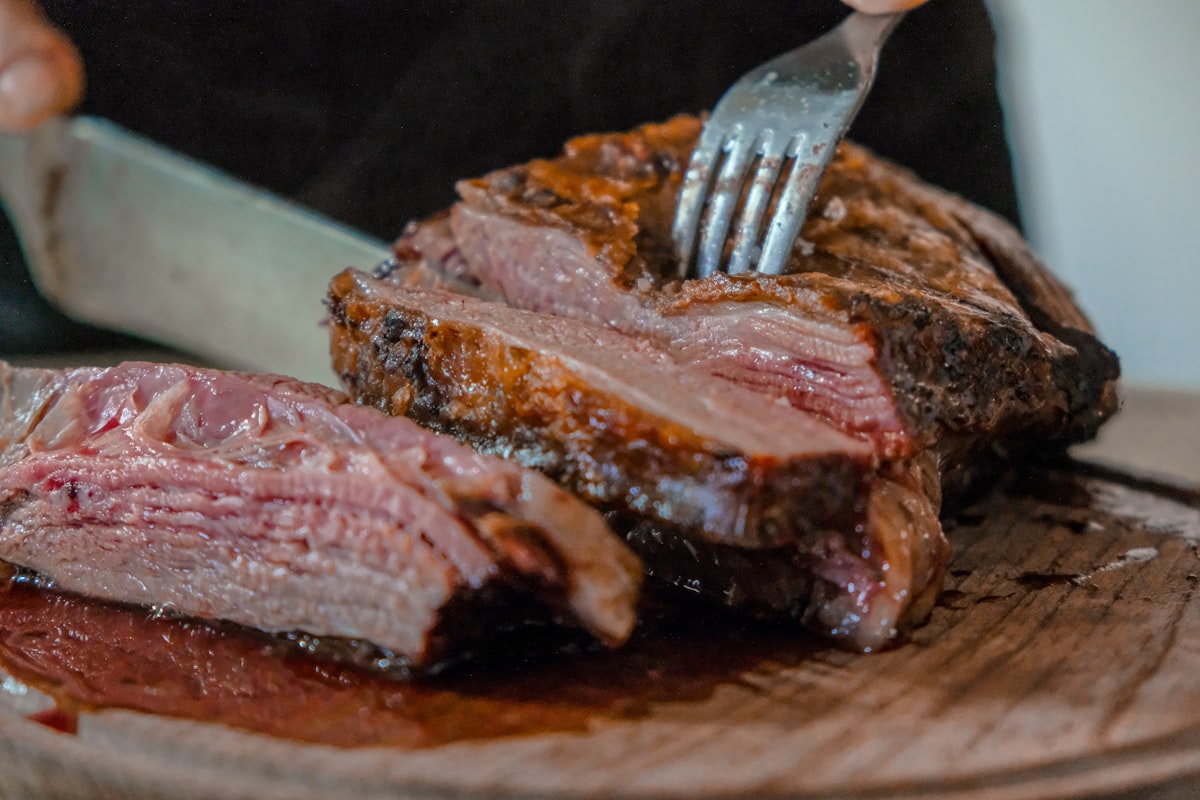
Best Way to Reheat Steak in an Air Fryer Without Drying It Out
There are few things sadder in the culinary world than a once-glorious steak gone dry, grey, and chewy by lunchtime the next day. Whether you’re dealing with leftover ribeye from last night’s dinner or a thick New York strip you meal-prepped, the way you reheat that steak makes the difference between a frustrating rubbery mess and a second meal that’s almost as satisfying as the first.
The air fryer has genuinely changed how home cooks handle leftovers. It circulates hot, dry air at high speed in a compact enclosed space, which means it can bring steak back to an ideal internal temperature without steaming it into submission or drying it out under a broiler. But technique matters enormously. The wrong settings, the wrong prep, the wrong timing — and you’ll end up with something you’d rather not eat.
This guide covers everything: the science, the exact steps, the temperatures for every doneness level, common mistakes, and a detailed comparison against every other reheating method. By the end, you’ll know exactly how to reheat steak in an air fryer to get it back to juicy, tender perfection — every single time.
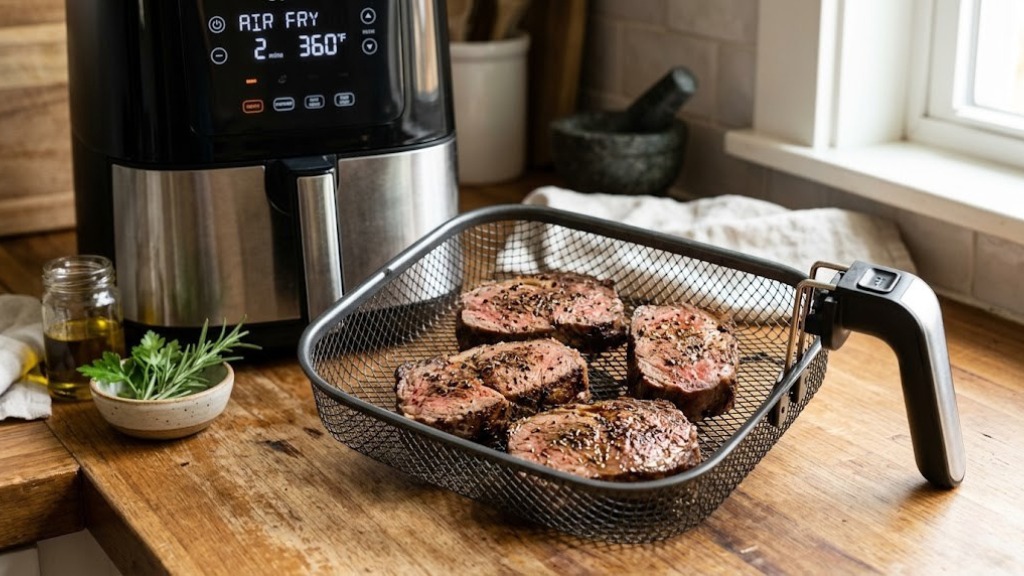
A well-prepped steak in an air fryer basket — the key to preserving moisture is all in the setup.
Why the Air Fryer Is the Best Method to Reheat Steak
Not all reheating methods are created equal. The air fryer succeeds where others fail because of how it moves heat — fast, even, and dry.
Steak is primarily muscle fiber interwoven with fat. When you cook it the first time, the proteins contract, the fat renders, and moisture redistributes throughout the cut. When you try to reheat it, you’re essentially trying to warm those proteins back up without squeezing out all the moisture they’ve reabsorbed as the steak cooled. That’s the challenge — and it’s why method matters so much.
The microwave is the worst option because it heats food by exciting water molecules, which causes steam to build inside the meat. That steam pushes against the protein fibers and forces moisture out, leaving you with a dry, often rubbery texture in under 90 seconds. The stovetop risks burning the exterior before the center warms. The oven works reasonably well but takes 20–30 minutes and often dries out thinner cuts.
The air fryer occupies a sweet spot: it heats quickly enough to minimize drying time, the circulating air ensures even temperature distribution, and the relatively compact cooking chamber means the steak reaches target temperature before the surface has time to toughen significantly. If you’re using a quality machine — like one of the 5 best digital air fryers for crispy perfection — you’re already most of the way there.
There’s also the Maillard reaction to consider. On a well-seared steak, the exterior has already undergone this browning reaction. The air fryer can actually revive that slightly caramelized crust texture in a way that an oven or microwave simply cannot — the high-velocity hot air quickly re-crisps the outer surface while the interior warms gently.
Before You Start: Essential Prep Steps
How you handle the steak before it goes into the air fryer determines 40% of the final result. Don’t skip these steps.
1. Let the Steak Come to Room Temperature
This is the single most important prep step that most people ignore. Take your refrigerated steak out of the fridge and let it sit on the counter for 20–30 minutes before reheating. Why does this matter? Because a cold steak center requires the air fryer to run longer to reach the target internal temperature, which means the exterior gets overcooked in the process. A room-temperature steak heats more evenly and reaches your desired doneness without drying out the outer layer.
If you’re reheating from frozen, allow 8–12 hours of thaw time in the refrigerator first. Never reheat a frozen steak directly in the air fryer — the temperature differential is too extreme and you’ll end up with a burnt exterior and a cold center.
2. Pat It Dry and Apply a Light Coat of Oil
Take a paper towel and gently pat the steak surface dry. Any excess surface moisture will steam rather than crisp in the air fryer, which counteracts one of the main advantages of this method. Once dried, apply a very light brush of neutral oil — avocado oil, refined olive oil, or grapeseed oil work best because of their higher smoke points. You’re not trying to add oil for flavor at this stage; this thin coat simply helps conduct heat more evenly across the surface and helps revive the sear.
3. Season Lightly if Needed
If your steak was well-seasoned the first time around, you likely won’t need much additional seasoning. A tiny pinch of flaky sea salt over the surface can help draw out and redistribute a little moisture during reheating, which counterintuitively helps the interior stay juicy. Avoid heavy re-seasoning as it can overpower the steak’s natural flavors developed during the original cook.
4. Preheat Your Air Fryer
Always preheat. A preheated air fryer means the steak starts cooking immediately at the target temperature rather than warming up gradually as the machine does. Most air fryers reach temperature within 2–4 minutes. Skipping preheat adds inconsistency to your reheating time and can lead to uneven results, especially with thicker cuts. If you’re considering upgrading your machine for better precision, the NuWave Brio 8 Qt offers particularly precise temperature increments that make this easier to nail consistently.
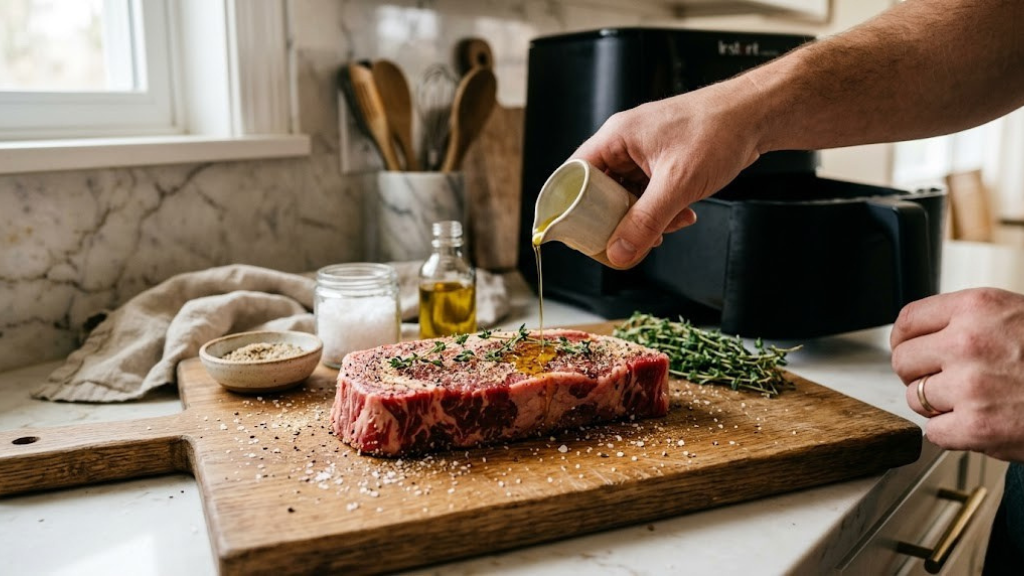
A light brush of high-smoke-point oil before reheating is key to reviving the exterior crust.
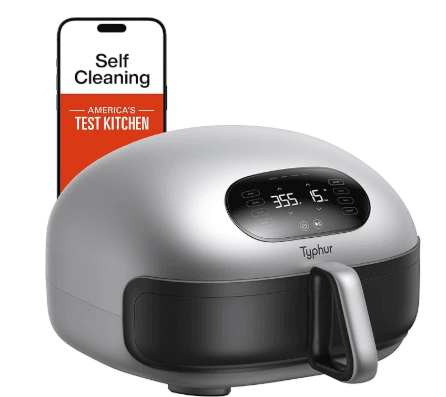
⭐ EDITOR’S PICK — Best Air Fryer for Reheating
Get perfectly reheated steak every time with precise temperature control. Our top-rated pick delivers consistent results at every doneness level.
👉 See Top Air Fryer Picks on AmazonStep-by-Step: How to Reheat Steak in an Air Fryer
Follow these steps exactly and you’ll have a perfectly warmed steak with a revived crust and a juicy, pink center — regardless of cut or thickness.
- Remove Steak from the Refrigerator Early Pull the leftover steak from the fridge 20–30 minutes before you plan to reheat it. Place it on a plate on the counter. This allows the internal temperature to rise from approximately 38°F to somewhere around 55–60°F, which dramatically reduces the time needed in the air fryer and prevents the exterior from overcooking before the center is warm.
- Preheat the Air Fryer to 350°F (175°C) Set your air fryer to 350°F and allow it to fully preheat. This typically takes 2–4 minutes depending on the model. Do not skip this step. A fully preheated air fryer means the Maillard reaction kicks in immediately when the steak is placed inside, helping to revive the crust rather than slowly building up heat.
- Pat Dry and Apply Thin Oil Coat Use paper towels to pat both surfaces of the steak completely dry. Then use a pastry brush or your fingers to apply a very thin, even coat of avocado oil or refined olive oil over both sides. Think of this as a thin film, not a drizzle.
- Place Steak in the Air Fryer Basket Set the steak directly in the air fryer basket. Make sure there is air space around all sides — do not overlap steaks or crowd the basket. For thick steaks, stand them on their fat cap edge for the first minute to help render any remaining fat. Use heat-resistant gloves when handling the basket — check out options at our guide on heat resistant gloves for air fryer baskets.
- Reheat at 350°F for 3–6 Minutes Timing depends on the thickness of your steak (see the temperature guide below). For a standard ¾-inch steak, 3–4 minutes is typically sufficient. For a 1.5-inch thick ribeye, budget 5–6 minutes. Check with a meat thermometer after 3 minutes regardless of thickness.
- Check Internal Temperature Insert an instant-read thermometer into the thickest part of the steak. You’re aiming for 5–10°F below your original target doneness temperature, because the steak will continue to warm slightly during the rest period. For medium-rare, pull at 125–128°F. For medium, pull at 135–138°F.
- Rest for 2 Minutes Transfer the steak to a cutting board and tent loosely with aluminum foil. Allow to rest for 2 minutes. The internal temperature will rise another 5°F during this time. This rest period allows the muscle fibers to relax slightly and the juices to redistribute, which is just as important when reheating as it is when originally cooking.
- Slice Against the Grain and Serve Immediately Always slice against the grain of the muscle fibers. This shortens the fibers and makes every bite feel more tender. Serve immediately — reheated steak does not hold well and should be eaten right away for best results.
Temperature & Time Guide by Doneness Level
Your target internal temperature when reheating should be 5–8°F below your original doneness level, because carryover heat during the rest period will bring it the rest of the way.
Air Fryer Reheating Time Chart
| Steak Thickness | Starting Temp (Room Temp) | Air Fryer Temp | Reheating Time | Pull At |
|---|---|---|---|---|
| ½ inch (thin) | 55–60°F | 350°F | 2–3 minutes | Check at 2 min |
| ¾ inch (standard) | 55–60°F | 350°F | 3–4 minutes | Check at 3 min |
| 1 inch (thick) | 55–60°F | 350°F | 4–5 minutes | Check at 4 min |
| 1.25 inch | 55–60°F | 350°F | 5–6 minutes | Check at 5 min |
| 1.5+ inch (very thick) | 55–60°F | 325°F | 6–8 minutes | Check at 6 min |
Reheating Time vs. Steak Thickness (Interactive Chart)
Reheating Different Steak Cuts & Thicknesses
Not all steaks reheat the same way. Fat content, thickness, and muscle fiber density all affect how the cut responds to air fryer heat.
Ribeye
Ribeye is arguably the easiest steak to reheat successfully. Its high intramuscular fat content (marbling) acts as a natural buffer against drying out. The fat renders slightly during reheating, which lubricates the muscle fibers and adds flavor. Use 350°F and follow standard timing. If your ribeye has a thick fat cap, stand it on its edge for 60 seconds at the start to render that exterior fat.
New York Strip
Strip steak has moderate marbling and a tighter grain than ribeye, which means it’s slightly more susceptible to drying out during reheating. It benefits most from the room temperature rest before cooking. A thin coat of butter (applied after the steak comes out of the fryer and rests for 30 seconds) can restore some richness to a strip that lost moisture during storage.
Filet Mignon
Filet is the least forgiving cut when reheating. It’s the leanest, tenderest steak, and it can go from perfectly medium-rare to medium-well in a matter of 60 seconds. Use a lower temperature (325°F) and check every minute after the 3-minute mark. A meat thermometer is not optional for filet — it’s essential. Remove it the moment it hits your pull temperature.
Flank and Skirt Steak
These thin, flat cuts are typically already sliced before storage. Reheat sliced flank or skirt steak at 350°F for just 2–3 minutes. Because they were already cut, they lose moisture faster — the key is to cover them loosely with aluminum foil during the first minute of reheating, then remove the foil for the last minute to crisp the exterior.
T-Bone and Porterhouse
The bone creates an uneven heating challenge in the air fryer. The meat nearest the bone heats more slowly. For T-bone and porterhouse, add 1–2 minutes to your standard timing and check both the strip and tenderloin sides with your thermometer. Position the steak so the bone doesn’t block airflow to the basket floor.
Smash Burger Patties and Thin Steaks
Anything under ½ inch thick needs careful attention. Use 325°F and reheat for just 90 seconds to 2 minutes. These thin cuts overheat extremely fast. Keep the thermometer handy and pull at 120°F — carryover heat will do the rest.
Different cuts have very different fat content and thickness — adjust your timing and temperature accordingly.

🔥 GREAT FOR THICK CUTS — Digital Toaster Oven Air Fryer
The extra space and dual heating elements in a toaster oven air fryer make it ideal for thick ribeyes and T-bones that need more even heat distribution.
👉 See Toaster Oven Air Fryers on AmazonAir Fryer vs. Other Reheating Methods: Head-to-Head
You have options — but the air fryer consistently outperforms the competition when it comes to reheating steak. Here’s exactly why.
Air Fryer vs. Microwave — Performance Comparison
The comparison above tells a clear story: the microwave is fast, but it completely fails at the two things that matter most when reheating steak — moisture retention and crust revival. The full breakdown of air fryer vs. microwave heating explains the physics of why microwave radiation forces moisture out of meat at a cellular level.
Full Method Comparison Table
| Method | Time | Moisture | Crust | Ease | Overall |
|---|---|---|---|---|---|
| Air Fryer Best | 3–6 min | ⭐⭐⭐⭐⭐ | ⭐⭐⭐⭐⭐ | ⭐⭐⭐⭐ | ⭐⭐⭐⭐⭐ |
| Oven (Low & Slow) | 20–30 min | ⭐⭐⭐⭐ | ⭐⭐⭐ | ⭐⭐⭐ | ⭐⭐⭐⭐ |
| Sous Vide + Sear | 30–45 min | ⭐⭐⭐⭐⭐ | ⭐⭐⭐⭐⭐ | ⭐⭐ | ⭐⭐⭐⭐⭐ |
| Microwave | 1–2 min | ⭐⭐ | ⭐ | ⭐⭐⭐⭐⭐ | ⭐⭐ |
| Stovetop (Butter Baste) | 4–6 min | ⭐⭐⭐ | ⭐⭐⭐⭐ | ⭐⭐⭐ | ⭐⭐⭐⭐ |
| Broiler | 5–7 min | ⭐⭐ | ⭐⭐⭐⭐ | ⭐⭐ | ⭐⭐⭐ |
Sous vide + sear is the only method that technically rivals the air fryer for steak quality, but it takes 5–8x longer and requires equipment most people don’t have. For the combination of speed, quality, and ease, the air fryer is clearly the winner. If you’re interested in the full comparison between these approaches, our deep dive on air fryer vs sous vide time-to-temperature lays out the tradeoffs in detail.
Pro Tips for Maximum Juiciness When Reheating Steak
These are the details that separate a good result from a genuinely great one. Most people skip half of these.
Use a Meat Thermometer — Always
The single highest-impact upgrade you can make to your steak reheating process is getting a reliable instant-read meat thermometer. Guessing by time alone is a recipe for inconsistency. A thermometer removes all the guesswork and tells you exactly where you are at any moment. Target internal temperatures 5–8°F below your desired doneness, pull, rest, and you’ll nail it every time.
The Butter Finish Technique
After the steak comes out of the air fryer and begins its 2-minute rest, immediately place a small knob of compound butter (herb butter, garlic butter, or just plain unsalted) directly on top of the hot steak and tent with foil. As it rests, the butter melts and seeps into the surface, adding richness and perceived juiciness. This technique is especially helpful for leaner cuts like filet and strip that may have lost some moisture during storage.
Don’t Reheat More Than Once
Each reheat cycle pushes more moisture out of the meat and further denatures the proteins. Reheat your steak once, serve it, and don’t attempt to reheat any leftovers from that reheating session. Plan portion sizes accordingly.
Store Properly to Start With
How you store leftover steak significantly affects how well it reheats. Allow the steak to cool completely before refrigerating (about 15–20 minutes at room temperature). Then wrap tightly in plastic wrap before placing in an airtight container. This two-layer approach minimizes oxidation and moisture loss during storage. Properly stored steak will reheat much more successfully than steak just tossed into a container.
Consider Adding a Slice of Compound Butter in the Air Fryer
For an advanced technique: place a very thin slice of cold butter (about a teaspoon’s worth) directly on top of the steak when you put it in the air fryer. At 350°F, the butter will melt and sizzle over the steak’s surface during the 3–5 minute reheat, basting it naturally as it cooks. The fat content helps conduct heat and adds richness. Don’t use too much — excessive fat can cause smoke in the air fryer, especially in smaller basket-style models.
Air Fryer Liner Materials Matter
Using the right liner in your air fryer basket can affect results when reheating. Silicone liners and perforated parchment liners both work well, but make sure any liner you use allows airflow through the bottom of the basket. A liner that blocks airflow underneath the steak will prevent the bottom from heating evenly. Check our guide on air fryer liner materials, safety, and heat resistance for a full breakdown.
🔑 The Essential Reheating Checklist
- Rest steak at room temperature for 20–30 minutes before reheating
- Pat both surfaces completely dry before adding oil
- Apply a thin coat of high-smoke-point oil (avocado or refined olive)
- Preheat air fryer to 350°F (or 325°F for cuts over 1.25 inches)
- Use a meat thermometer — pull 5–8°F below target doneness
- Rest under loose foil tent for 2 minutes before slicing
- Slice against the grain immediately before serving
- Top with compound butter during rest period for maximum richness
7 Common Mistakes When Reheating Steak in an Air Fryer
These are the errors that lead to dry, overcooked, or uneven results. Understanding what goes wrong makes it easier to get things right.
Mistakes vs. Correct Technique — Interactive Guide
Reheating Method Performance Ratings
We scored six different reheating methods across five key performance dimensions. Here’s how they stack up visually.
Air Fryer Performance Score by Category
The air fryer earns its spot at the top of the reheating hierarchy. It scores highest in the metrics that matter most for steak quality — moisture retention and crust revival — while also being genuinely fast and easy. The only area where it falls short of a perfect 10 is raw speed (the microwave is faster, but at an unacceptable quality cost).
Best Air Fryers for Reheating Steak in 2026
Not every air fryer is equally suited for reheating steak. Precise temperature control, basket size, and heating element quality all make a difference.
What to Look for in an Air Fryer for Reheating Steak
Precise temperature settings are the most important feature. You want an air fryer that can reliably hold 325°F or 350°F — not all budget models can maintain accurate temperatures at these settings. Fluctuations of 25°F or more are common in cheaper units, which leads to inconsistent results. If you’re serious about reheating quality, a digital model with 5°F increments is worth the investment. For a full breakdown of digital versus manual models, see our digital vs. manual air fryer comparison.
Basket size matters for larger steaks. A 4-quart basket can handle most standard steaks comfortably, but if you regularly reheat multiple steaks at once or work with large T-bones and porterhouses, a 5.8-quart or larger model gives you more flexibility without compromising airflow. See our complete size comparison in the 4 Qt vs 6 Qt air fryer guide.
| Model | Capacity | Temp Range | Temp Precision | Best For | Rating |
|---|---|---|---|---|---|
| COSORI TurboBlaze | 6 Qt | 90–450°F | 1°F increments | All cut sizes | ⭐⭐⭐⭐⭐ |
| Ninja AF101 | 4 Qt | 105–400°F | 5°F increments | Standard steaks | ⭐⭐⭐⭐½ |
| NuWave Brio 8 Qt | 8 Qt | 100–400°F | 1°F increments | Large/thick cuts | ⭐⭐⭐⭐⭐ |
| Philips 3000 Series | 4.1 Qt | 180–400°F | 5°F increments | Compact kitchens | ⭐⭐⭐⭐ |
| Instant Vortex Plus | 6 Qt | 95–400°F | 5°F increments | Family-sized meals | ⭐⭐⭐⭐ |
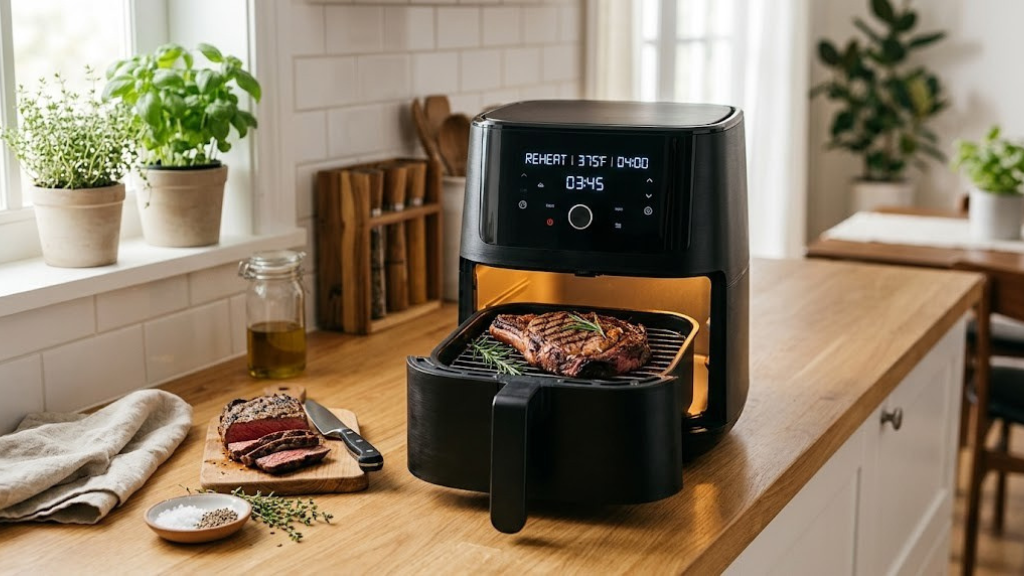
A digital air fryer with precise temperature control makes all the difference when reheating delicate cuts like filet mignon.

🏆 PRECISION PICK — NuWave Brio 8 Qt
1°F temperature precision in an 8-quart basket. Perfect for thick ribeyes, T-bones, and reheating multiple steaks at once without compromising air circulation.
👉 Read Full NuWave Brio ReviewStoring Leftover Steak for Best Reheating Results
What you do before storing the steak is just as important as what you do when reheating it. Proper storage makes a dramatic difference.
Cooling Before Refrigerating
After your original meal, allow the steak to cool at room temperature for 15–20 minutes before refrigerating. Placing a very hot steak directly into the refrigerator generates condensation, which leads to a soggy exterior and accelerated oxidation of the cut surface. It also raises the temperature inside your refrigerator, which isn’t ideal from a food safety standpoint.
Two-Layer Wrapping Method
The professional method for storing leftover steak: wrap the cooled steak tightly in a single layer of plastic wrap, pressing the film against the surface to minimize air contact. Then place the wrapped steak in an airtight zip-lock bag or container and press out any remaining air before sealing. This two-layer approach dramatically slows oxidation and prevents the steak from absorbing refrigerator odors.
Storage Duration
Properly stored cooked steak remains in good condition for reheating for up to 3–4 days in the refrigerator. After that, quality degrades significantly even if the steak is technically still safe to eat. For longer storage, freeze the steak using the same two-layer wrapping method — frozen steak maintains quality for 2–3 months. Always thaw overnight in the refrigerator before reheating.
Storing With Sauce or Pan Juices
If your original steak was served with a pan sauce, au jus, or compound butter, consider storing the steak with a spoonful of that sauce drizzled over it before wrapping. The fat and moisture from the sauce helps the steak retain juiciness during storage and effectively “self-bastes” during the reheating process.
Safety Considerations & Post-Use Cleaning
Reheating steak generates fat drips and smoke — proper setup and quick cleanup keeps your air fryer performing at its best.
Preventing Smoke When Reheating Steak
Steak fat dripping to the hot basket floor is the most common cause of smoke when reheating meat in an air fryer. There are three effective strategies: add 2 tablespoons of water to the drawer beneath the basket (this cools fat drips and prevents them from reaching smoke point), use a perforated parchment liner to catch drips, or ensure the steak is patted dry before oiling (excess surface moisture becomes steam, while surface fat becomes smoke).
If smoke is a persistent issue with your air fryer during meat reheating, our full diagnosis guide on air fryer smoking — white, black, and blue smoke diagnosis will help you identify the exact cause and remedy it.
Cleaning After Reheating Steak
Steak fat rendered during reheating can accumulate in the basket and drawer. For best results, clean after every use. Allow the basket to cool slightly (5–10 minutes), then remove and wash with hot soapy water. Most modern air fryer baskets are dishwasher-safe, but hand washing with a non-abrasive sponge is gentler on the coating and extends basket life significantly. Refer to our detailed guide on cleaning sets for air fryer fans that won’t damage coatings for specific product recommendations.
Food Safety Temperatures
From a food safety standpoint, leftover steak should be reheated to a minimum internal temperature of 165°F according to USDA guidelines. However, most steak enthusiasts reheat to serving temperature (125–145°F depending on doneness preference) rather than the official safety threshold, since reheating to 165°F will produce a well-done steak regardless of original doneness. If serving to immunocompromised individuals, follow the USDA guideline strictly.
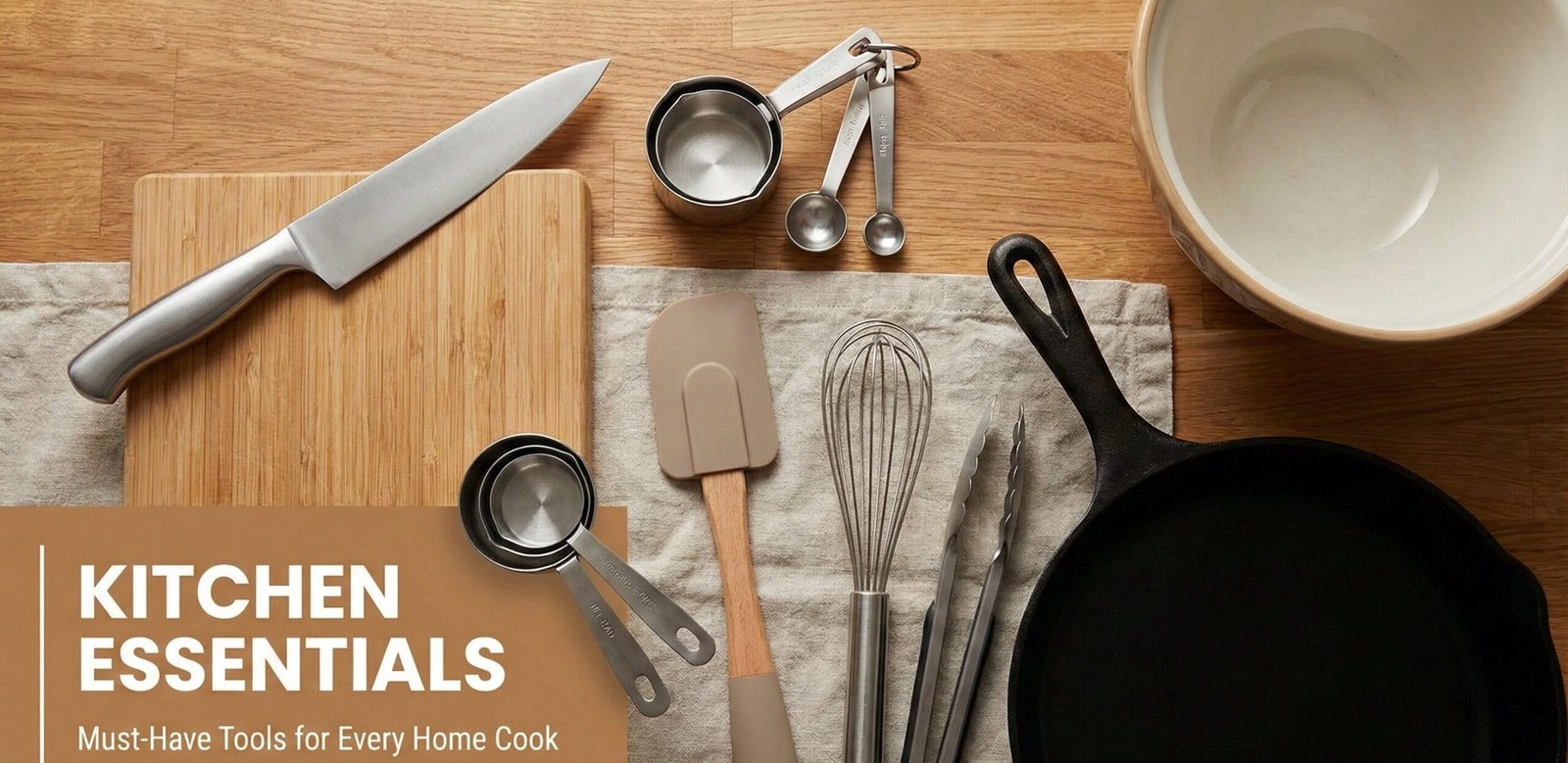
🛠️ LEVEL UP — Essential Air Fryer Accessories
Instant-read thermometer, heat-resistant gloves, perforated parchment liners — the right tools make the reheating process easier, safer, and more consistent.
👉 See the 20 Essential Air Fryer ToolsFrequently Asked Questions
The Verdict: Your Steak Deserves Better Than the Microwave
The air fryer method for reheating steak isn’t complicated — but it does require attention to a few key details that most people overlook. Rest your steak at room temperature first. Preheat your air fryer. Use a meat thermometer. Rest after reheating. These four steps alone will transform your leftover steak experience from a disappointing compromise into a genuinely satisfying meal.
The key variables are temperature (350°F for most cuts, 325°F for thick ones), time (3–8 minutes depending on thickness), and your internal temperature target (5–8°F below final desired doneness). Master those, and you’ll have a reliable, repeatable method that works for every cut in every situation.
Whether you’re working with a lean filet mignon from Tuesday’s dinner or a thick bone-in ribeye from Sunday’s cookout, the air fryer is genuinely the best everyday tool for bringing leftover steak back to life. Upgrade your method, and stop settling for dry, chewy leftovers.
👉 Find the Best Air Fryer for Your Kitchen